
18 October 2026
Repair Or Replace An Ageing Roof In Weymouth And Portland?
Should you repair or replace an ageing roof in Weymouth or Portland? The signs on slate, concrete tile and clay roofs, what salt and wind change, and how to compare quotes.
Most roofs in Weymouth don’t fail in one go. They wear out a slate here and a ridge tile there, and the owner ends up asking the same question every second winter: patch it again, or bite the bullet? Getting it right matters, because the two answers sit a long way apart. A small repair is a few hundred pounds and a replacement on an ordinary semi runs into five figures. The roofs here also age differently from inland ones. Most of the Weymouth and Portland coast takes salt spray and south-westerly gales that a house in, say, Yeovil never sees, and Dorset Council counts 15 conservation areas across Weymouth and Portland, which can shape what a replacement is allowed to look like. This guide goes through the signs on each local roof type, what the coast does to the sums, and how to line up a repair quote against a replacement quote so you’re comparing the same thing.
Repair or replace: the first question to ask about your roof
Before anyone talks money, ask whether the problem is local or general. That one question settles most cases.
A local problem has edges. A chimney flashing has split, a valley has worn through, a gale has taken six slates off the side facing the bay. Everything around it is sound, and once the fault is fixed the roof carries on as before. That’s what our roof repairs in Weymouth are for.
A general problem doesn’t have edges. The same fault shows up all over: slates slipping on every slope, tiles that crumble when they’re lifted, felt that tears like wet paper. Fix one spot and the next one goes. At that point you’re not maintaining a roof anymore, you’re managing its decline, and it’s time to get a roof replacement priced alongside any repair so you can see both numbers.
The tricky roofs are the ones in between, and most of this post is about reading those.
Natural slate on Weymouth’s older streets
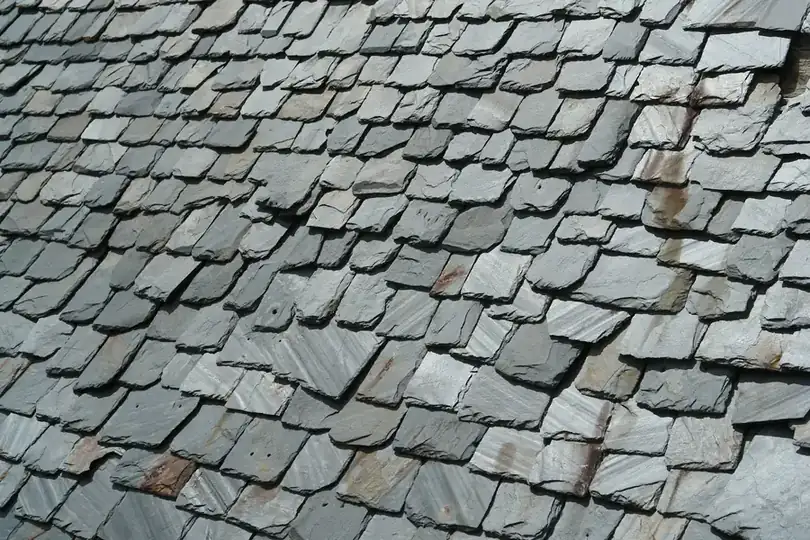
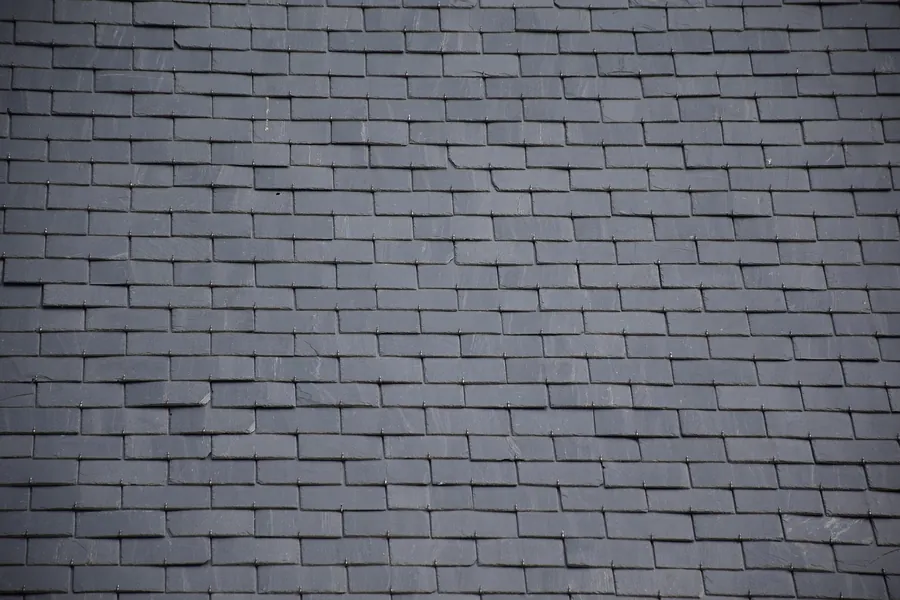
The Georgian and Victorian houses around Melcombe Regis, Rodwell and Park District were mostly roofed in natural slate, much of it Welsh. Good slate can outlast two or three sets of nails, which is why a 120-year-old slate roof is often worth saving.
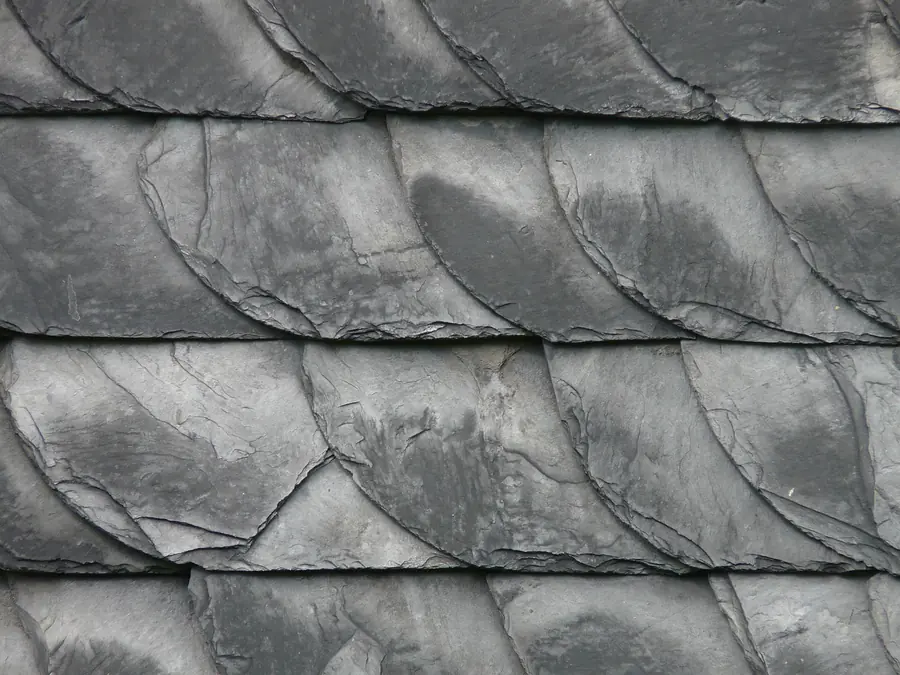
The usual failure is the nails, not the slate. Iron nails rust through at the head, a condition roofers call nail sickness, and the slate slides down until it hangs on its neighbours or drops into the gutter. A few of those can be put back with tingles. When they’re slipping across every slope, though, more tingles is just a slower way of losing the roof.
Signs a slate roof can still be repaired
- The slates ring when tapped rather than giving a dull thud
- Slipped slates are in one area, often the slope that takes the wind
- From the loft, the battens are firm and there’s no daylight between the slates
- The leak traces back to one detail, such as a chimney or valley
Signs it’s time to strip it
- Slates are flaking, splitting into layers or turning soft at the edges
- Slipped slates and tingles are spread over the whole roof
- Battens crumble or the old torching mortar has fallen out onto the loft floor
- Rain gets in during wind from more than one direction
Slate that rings true is worth keeping even when the nails have gone. That’s where the middle routes further down come in.
Concrete tiles on the postwar estates
Head out to Southill, Littlemoor, Westham or the newer streets toward Chickerell and the picture changes. These houses mostly wear concrete interlocking tiles, and many of those roofs date from the 1950s to the 1980s.
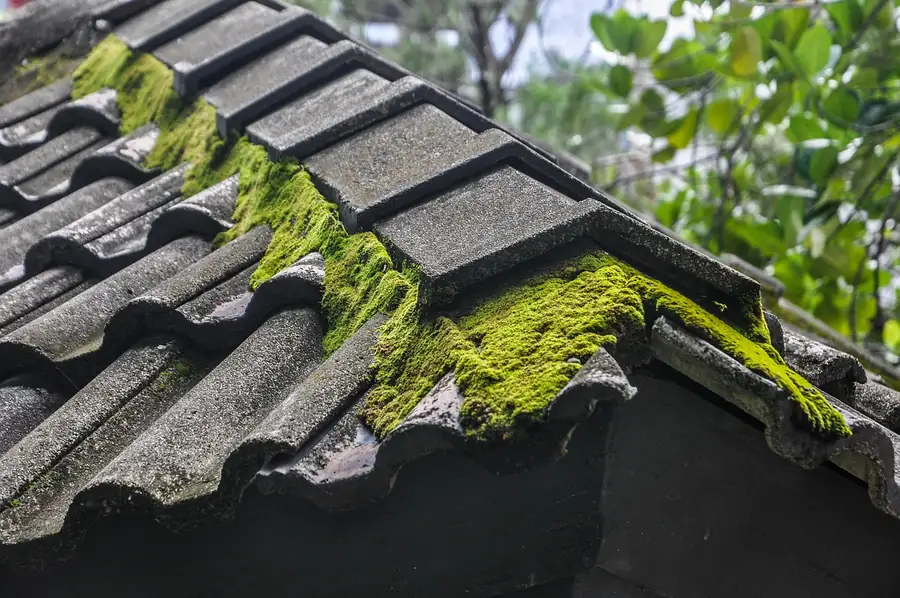
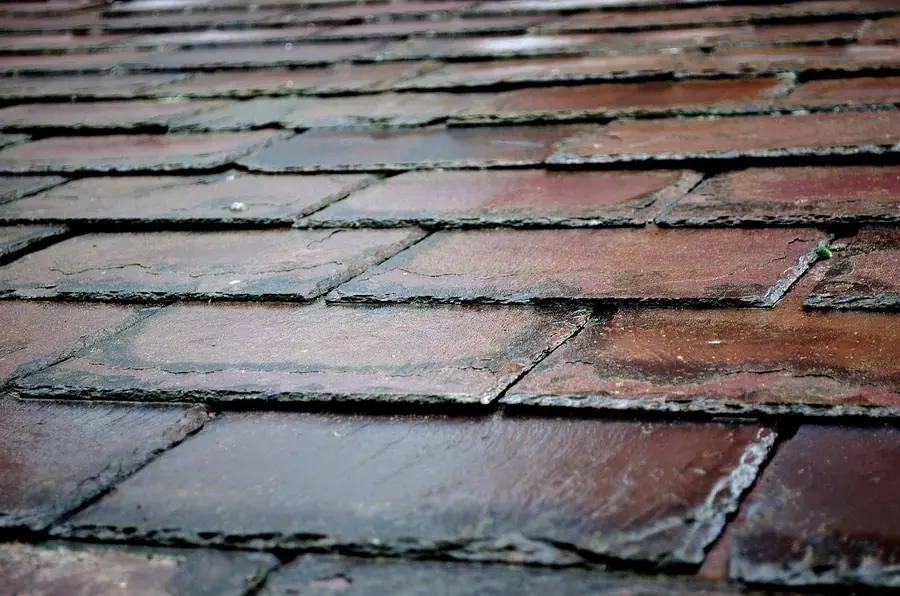
Concrete tile ages in a different way from slate. The surface wears off over the decades, the tile gets more porous and heavier when wet, and moss takes hold because the face stays damp. Tiles can still keep the rain out for a long time in that state. The weak point is usually underneath. Plenty of older tiled roofs have a bitumen felt that has gone brittle and torn at the eaves, and some of the earliest have no underlay at all.
Repair makes sense when the tiles are firm, the felt is intact and the problem is a ridge, a verge or storm damage on one slope. Replacement is the better call when the felt has failed across the roof, because you can’t renew it without taking every tile off. Once they’re off, putting the same worn tiles back on new membrane is false economy on a roof that age.
One warning if you’re tempted by a lighter or heavier covering when the time comes. Swapping slate for concrete tile, or the other way round, changes the load on the rafters. The Planning Portal’s guidance on re-roofing and the Building Regulations says a change of covering like this is likely to need approval, and the roof structure may need strengthening.
Older clay tiles and Portland stone
Clay plain tiles and pantiles turn up less often around here, mostly on older cottages, outbuildings and the odd village street inland. Portland is a different case again. A lot of older island houses are built of Portland stone, and a few of the oldest roofs carry heavy stone slates.
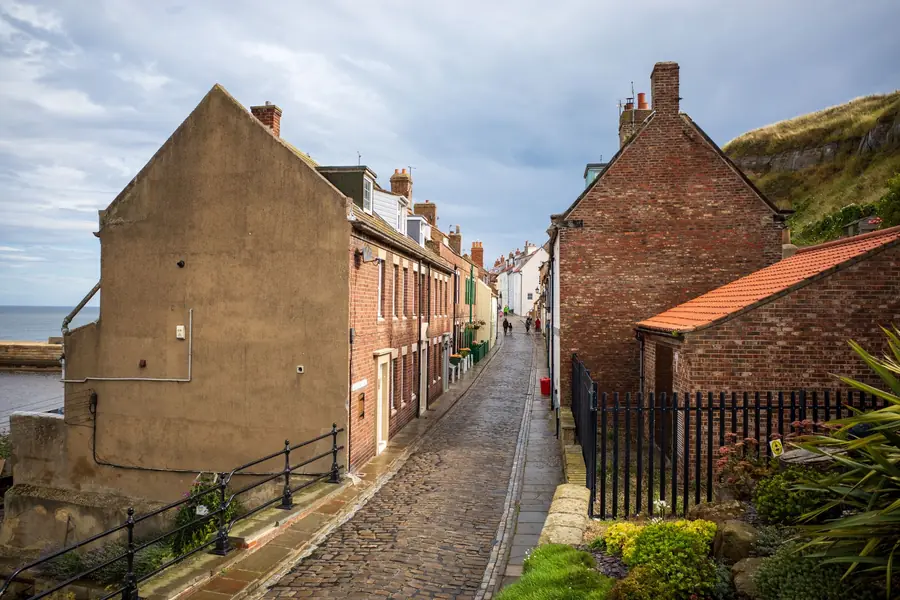
Clay is long-lived, and our mild coastal winters are kinder to it than frosty inland ones. When a clay tile fails, it tends to flake away at the face or crack, one tile at a time. That makes clay roofs good candidates for repair, as long as you can find a match. Handmade clay from decades ago varies in colour and size, so a reclaimed match is usually better than new.
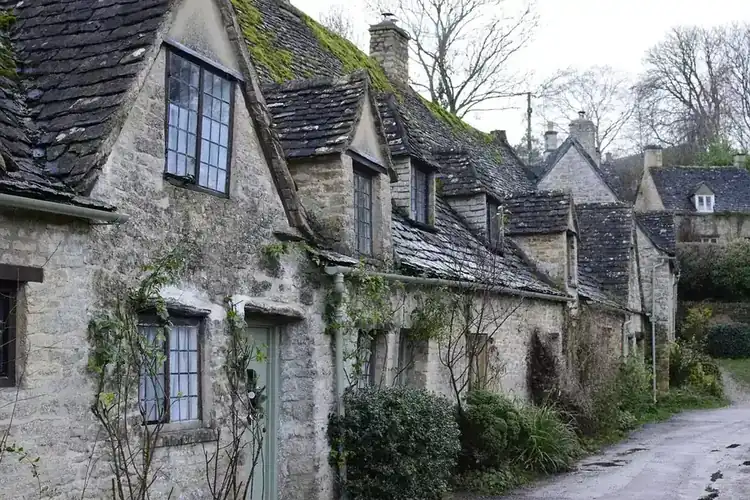
Stone slates are the one material where we’d almost always argue for repair or a careful relay over replacement. They’re heavy, hard to source, and on a listed building or inside a conservation area like Underhill, which takes in much of Fortuneswell and Chiswell, the council will expect them to stay. You can look up the boundary on the Dorset Heritage Explorer record for the Underhill Conservation Area.
How salt and wind change the repair-or-replace sums in Weymouth
Here’s what’s different about this stretch of coast. Inland, a roof’s covering usually wears out before its fixings. On the seafront and across Portland it’s often the other way round.
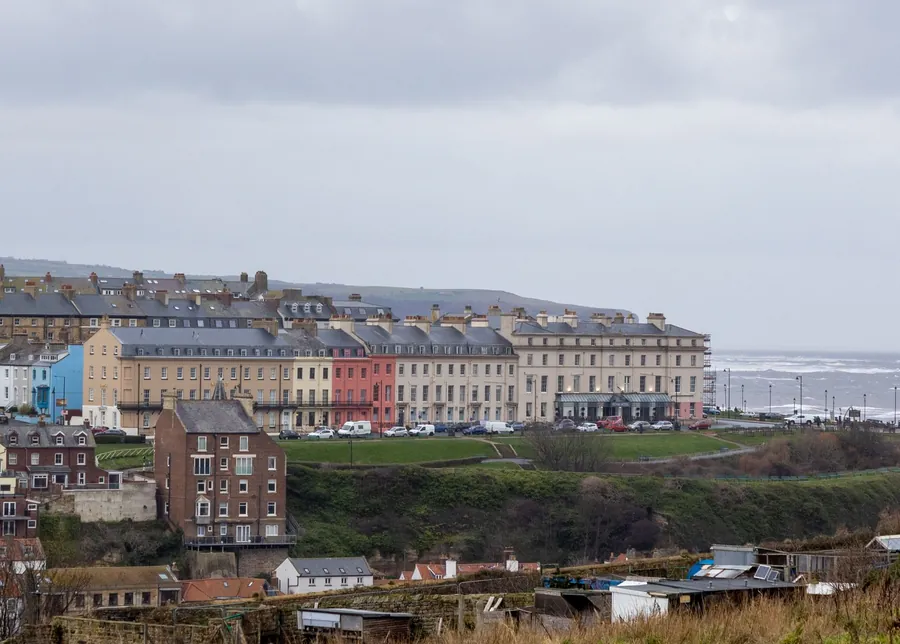
Salt carried on the wind settles on the roof and works its way into joints. Iron nails, steel clips and cheaply galvanised fixings rust much faster in that air, so a roof on Brunswick Terrace or at the top of Fortuneswell can have perfectly good slates held on by nails that are nearly gone. Add the exposure, with gales coming straight off Lyme Bay and Chesil Beach, and those tired fixings get tested hard every winter.
That changes the arithmetic in two ways.
Repairs buy less time on exposed roofs
A repair on a sheltered back street in Broadwey might be the last visit for ten years. The same repair on a roof facing the bay may hold, but the slates next to it are on the same old nails, and the next big blow finds them. So when you weigh a repair, ask how long it’s likely to last on your particular roof, not on an average one.
A new roof is built for the actual site
Replacement brings a specification an old roof never had. Under the current code of practice, slates and tiles are fixed to a pattern calculated for the wind load at that location, and most tile manufacturers will produce a fixing specification for an exact postcode. On the coast that means more fixings, stainless steel or copper nails, and clips at the edges where wind uplift is worst. On an exposed street that’s a real gain, and it’s one of the main reasons replacement looks better value here than it would in a sheltered town.
The middle routes most people don’t hear about
Repair or replace sounds like a two-way choice. On older roofs there are often two more options, and they can be the best value of all.
Re-roof the worst slope only
Weather doesn’t hit a roof evenly. On many Weymouth houses the south- or west-facing slope has taken far more punishment than the back. Stripping and re-covering just that slope, with new membrane, battens and fixings, can buy decades on the part that needed it, without paying for the side that didn’t. It needs a careful junction at the ridge, and scaffold costs don’t halve just because the work does, so check the numbers.
Strip, sort and relay the slates
Where the slate is sound and the nails aren’t, a roofer can strip the roof, sort every slate, then relay the good ones over new membrane and battens with proper nails. Any shortfall gets made up with matching reclaimed or new slate, usually kept to the rear slope. You keep the look of the original roof, which matters a great deal in a conservation area, and you get a roof built to modern fixing standards underneath.
Neither route works on worn-out concrete tiles. Both are worth asking about on slate, stone slate and good clay.
Comparing a repair quote with a replacement quote, like for like
The hardest part of this decision is that the two quotes rarely describe the same thing. A repair quote names a fault and a price. A replacement quote lists a whole roof. Put them side by side as they come and you’re comparing a single number with a full specification.

Ask the repairer to put in writing what they found across the rest of the roof, not just the fault you called about, and roughly how long they’d expect the repair to hold. Ask for photos from up top. A good roofer will tell you plainly if the repair is a stopgap.
Then make sure the replacement quote names the covering, the membrane, the batten grade, the fixing type and material, how the ridge and verges are fixed, the leadwork, scaffold and how long it stays up, waste and VAT. If the roof is near the sea, check the nails are stainless steel or copper. On our own roof replacements a 10 year guarantee comes as standard, and whoever you use, the guarantee should be written down before you sign.
It’s also worth checking who’s quoting. The National Federation of Roofing Contractors runs the Competent Roofer scheme, which lets registered firms self-certify a re-roof under the Building Regulations instead of you applying to building control separately. We covered more of the vetting side in our guide to choosing a roofer in Weymouth and Portland.
What each route costs, and the sum that settles it
We’ve already set out the figures elsewhere, so we won’t repeat them here. The job-by-job prices for repairs are in our guide to roof repair costs in Weymouth and Portland, and the full re-roof ranges by house type and material are in how much a new roof costs in Weymouth.
What those pages can’t tell you is which one is cheaper for your roof, because that depends on time as much as price. The fairest way to compare them is cost per year of roof you’re buying.
Take a repair quote and divide it by the number of years it’s honestly likely to hold. Do the same with the replacement quote and its expected life. Say a repair costs a tenth of a new roof and buys five years. That’s 2% of the replacement price for each year. A new roof lasting fifty years works out at the same 2% a year. So the repair only wins if it holds longer than five years, or if the new roof would last less than fifty. Run the same sum with your own quotes and the answer is usually obvious.
Two things tip it further. Scaffold is paid every time it goes up, so a string of repairs that each need it adds up fast. And a repair keeps every other weakness in place, while a replacement resets the whole roof to current standards at once.
If you’d like both routes priced on the same visit, with the condition of the whole roof written down so you can compare them properly, we can do that.
Get both routes priced on one free visit in Weymouth or Portland
Frequently asked questions
How do I know if my roof needs replacing rather than repairing?
Look at how widespread the trouble is. One leak around a chimney or a few missing slates on an otherwise sound slope is repair work. Slates slipping all over the roof, tiles gone soft and porous, sagging or brittle felt seen from the loft, and repeat call-outs to the same roof all point toward replacement, or at least toward pricing it.
Can a slate roof in Weymouth be stripped and the slates reused?
Often, yes. When the slates are sound and only the nails have rusted, a roofer can strip the slope, sort the slates, and relay the good ones on new battens and membrane with copper or stainless nails, topping up with matching reclaimed or new slate. It costs more than a repair and usually less than a full re-roof in new slate.
Does living near the sea in Weymouth or Portland shorten a roof's life?
It shortens the life of the fixings more than the slates or tiles. Salt in the air speeds up rust on iron nails, steel clips and galvanised parts, and the wind loads on exposed streets are higher than inland, so a roof here tends to fail at its fixings first. That is why stainless or copper fixings and a fixing specification for your exact location matter on any new roof near the coast.
Will my home insurance pay for a new roof?
Rarely for an old one. Most home insurance covers sudden damage, such as a gale lifting part of a sound roof, but excludes wear and tear and gradual deterioration. If a storm exposes a roof that was already failing, expect the insurer to look closely at its age and condition.
Want a roofer to take a look?
Free surveys and fixed written quotes across Weymouth, Portland and nearby towns.