
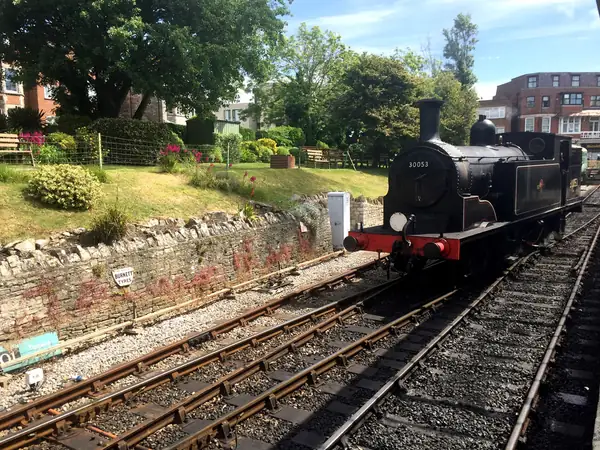
Swanage Railway
Heritage railway running steam and diesel trains on the Purbeck line from Swanage, first opened in 1885.
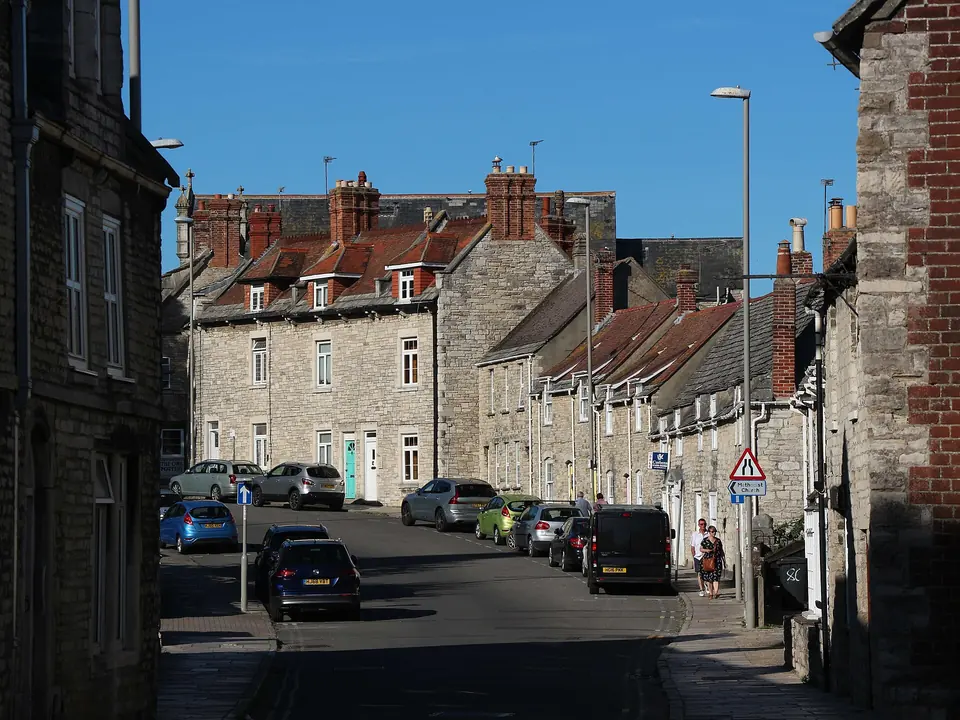
Learn more about Swanage Railway on Google MapsMost of the roofs our roofers work on in Swanage went up after the railway reached the town in 1885, when John Mowlem and George Burt were busy turning a quarrying village into a seaside resort. That gives you streets of local red brick with stone or yellow-brick dressings, finished in slate or tile. A small number of houses still carry Purbeck stone roofs, and those are a different job altogether. From Weymouth it's around 50 to 55 minutes, which makes Swanage the far end of our patch. We don't pretend otherwise. We book Swanage work into planned days, survey properly the first time and bring what the job needs, so nobody is waiting on a second trip.
Tell us a little about the roof and we will call you back.
People have dug stone out of Purbeck since at least the 1st century AD, and for most of that time Swanage was where it was shipped from. The resort came much later. Mowlem and his nephew Burt put up the pier, brought in the utilities and laid out the Durlston estate on the headland, and the railway followed in 1885. What you see along the High Street, around Northbrook and up towards Durlston is largely the housing of that Victorian and Edwardian boom.
For a roofer, that history explains the town. Despite the quarries on its doorstep, Swanage built mainly in red brick and roofed mainly in slate or tile, with Purbeck stone often used for dressings or a rock-faced front elevation only. The few genuine stone-slate roofs that remain are heavy, need sound timbers underneath, and should be repaired in matching stone. The good news is that Purbeck stone roof tiles are still made by hand at Langton Matravers, a short drive west of the town.
1,000+
Roofing projects completed
5★
Every review we have is five stars
10 yrs
Guarantee on roof replacements
Free
Roof surveys and written quotes
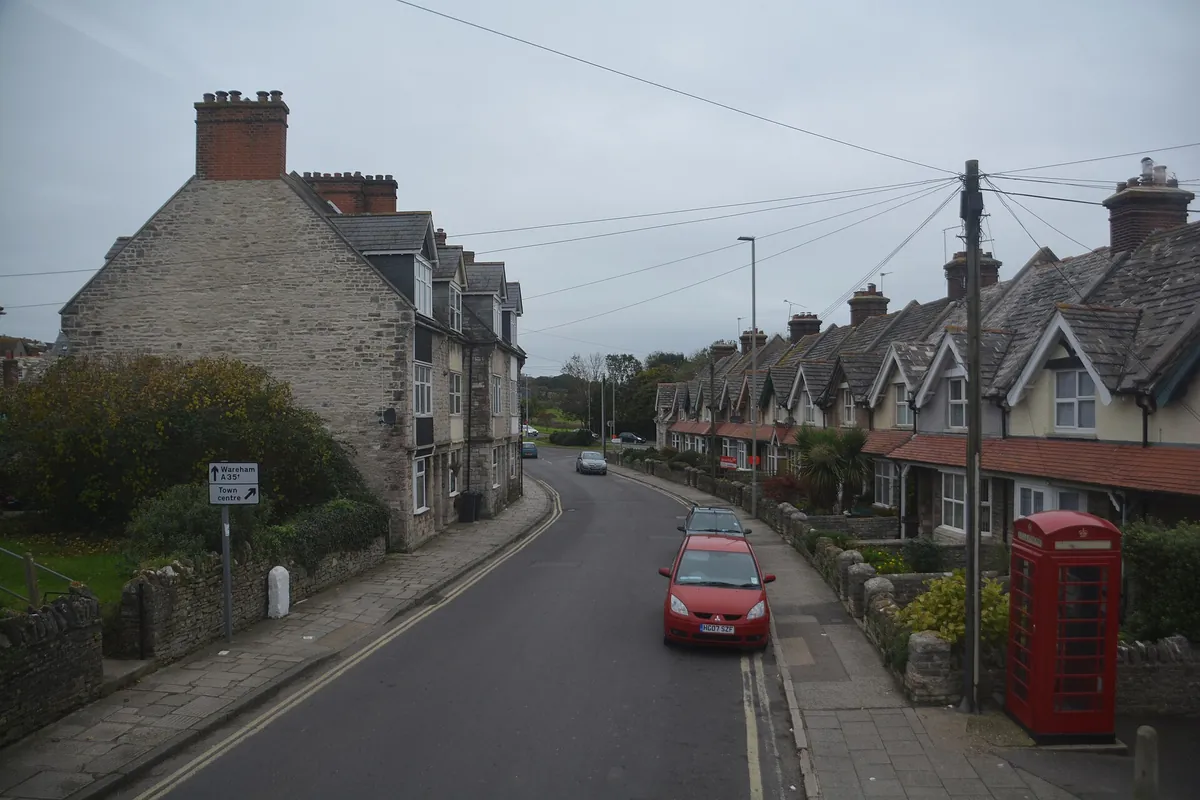
Slipped slates over a bay window on the High Street, a cracked ridge in Herston, or a stone slate that has finally let go. We find the cause and put it right.
Learn more about roof repairs in Swanage →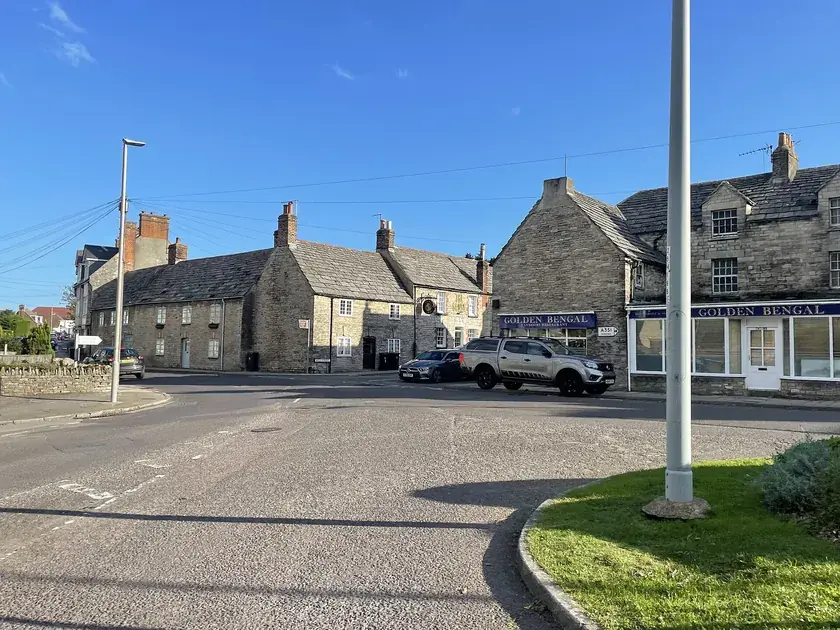
When a Victorian slate or tile roof in Swanage is past patching, we strip it, check the rafters and rebuild it in materials that suit the street.
Learn more about roof replacement in Swanage →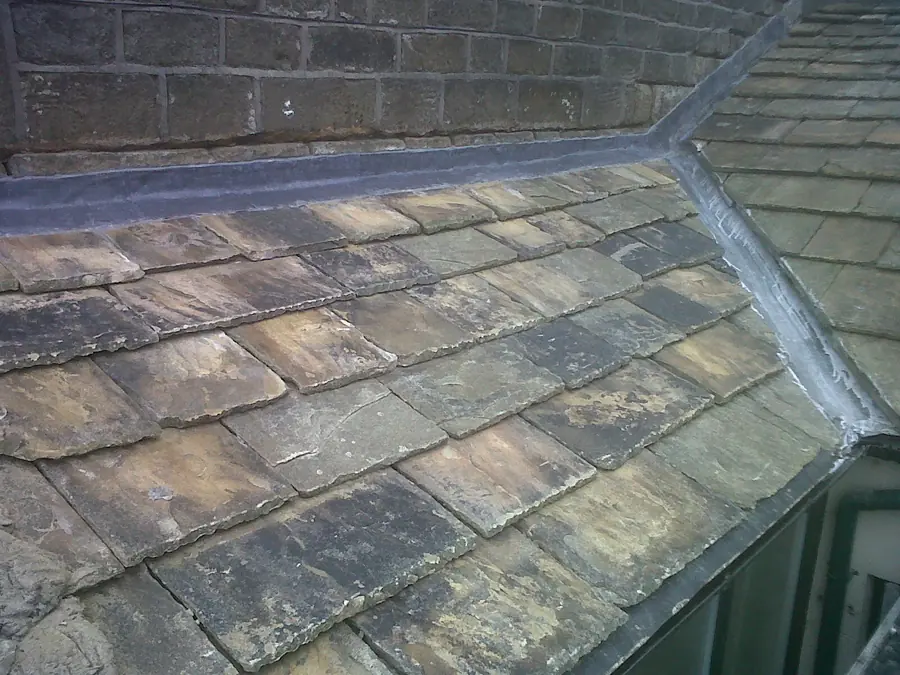
Brick chimneys, stone copings and dormers all meet the roof somewhere. In Swanage most leaks we trace start at a tired flashing or a split lead valley.
Learn more about lead work in Swanage →Swanage is drier than most of Britain but sits right on the open coast. These are the local conditions we build every job around.
The Met Office Swanage station records about 853mm of rain a year over 124 wet days, well under the UK average of roughly 1,163mm. The catch is that coastal rain tends to come in on the wind, so laps, flashings and fixings matter more than gutter size.
During Storm Ciarán in November 2023, Dorset Council closed Swanage High Street from Seymour Road down to the pier. Storm Eunice's red warning in 2022 covered Swanage too. Roofs here need to be fixed for the bad days, not the average ones.
Lovell Purbeck hand-fettles Purbeck stone roof tiles at Langton Matravers. So when a stone-slate roof in Swanage needs patching, the replacement can be the same local stone, rather than a reclaimed slate from somewhere else that never quite sits right.
Plenty of Swanage slate was nailed up more than a century ago and the nails have rusted through. When we refix or relay, we follow BS 5534:2014, so ridges and hips get mechanical fixings rather than relying on a bed of mortar.
Swanage averages only around 14 air-frost days a year against more than 50 for the UK, and about 1,806 hours of sunshine. Freeze-thaw damage is rarer here; sun-baked felt, cracked mortar and tired sealants are the things we tend to find instead.
Because Swanage is at the edge of our area, we survey carefully, write down exactly what is needed and load the van for it. The point is to arrive once with the right slates, lead and fixings, then finish.
"Nine times out of ten, a Swanage leak blamed on the slates turns out to be the lead around a brick chimney stack or a dormer cheek."
When we replace a roof in Swanage, the paperwork you're handed at the end will, on all but a handful of unusual jobs, include a 10 year guarantee on the work. If yours is one of the exceptions, you'll know at quote stage, not after. It names your address, says what was done and is dated the day we sign the roof off. It covers the installation itself, meaning the battens, membrane, fixings, the slates or tiles and the junctions where the roof meets walls and chimneys. If any of that lets water in through a fault in how it went on, we come back and fix it without charging you.
A guarantee that long only makes sense if the roof is built properly underneath, so it shapes the job from day one. Every slate or tile is mechanically fixed to the current British Standard rather than relying on its own weight, which matters on a stretch of coast where the wind arrives with nothing in its way. Breathable membrane goes on before the battens. Valleys, abutments and chimneys get proper lead or a tested dry-fix system, never a smear of mortar that cracks in its third winter.
Materials carry their own manufacturer cover on top, and that differs from product to product. Your paperwork says which one applies to your roof.
10
Year guarantee on roof replacements
1,000+
Roofing projects completed
Surveys are free. We book a Swanage morning, get up to the roof or use a camera pole, and note what it is covered in - slate, clay or concrete tile, or Purbeck stone - because that decides everything after.
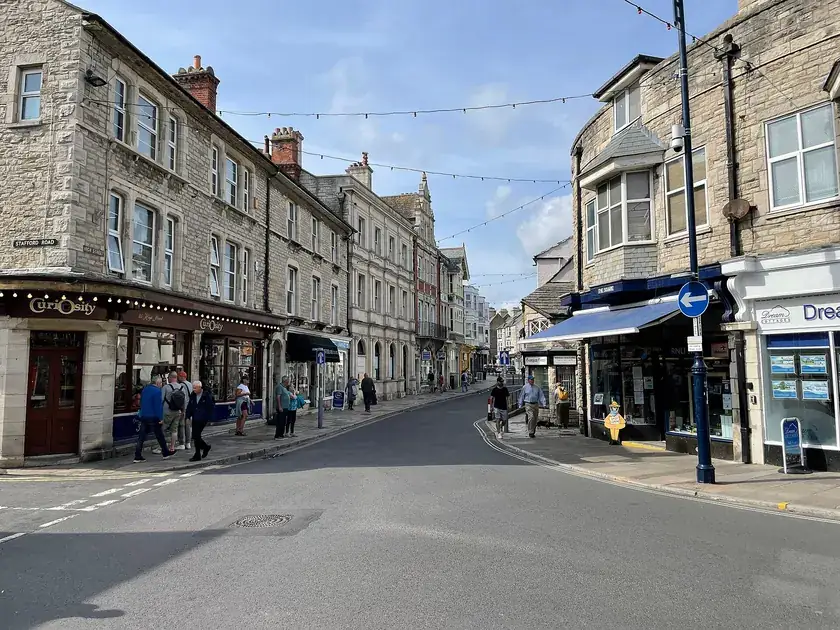
Our quote lists each item and its price, including materials by name. If the house is in the Swanage or Herston conservation area, we say so in the quote and explain whether Dorset Council needs to be asked first.
Plenty of Swanage terraces open straight onto the pavement, so scaffold often has to stand on the footway. We plan the layout and book the scaffolders well ahead, since nobody wants to drive over to find the poles missing.
We take off the damaged covering and examine what is underneath: battens, felt, rafters. On a stone roof we check the timbers have not sagged under the weight. You get photos of anything we find that changes the plan.
New work is fixed mechanically, not just bedded in mortar. Stone slates go back in diminishing courses to match, slate gets copper or stainless fixings, and any lead is dressed and secured to suit the exposure.
We go over the finished section, the flashings around it and the gutters below, and run water where it helps. On a long drive home, we would rather spend twenty extra minutes checking than come back.
Broken slate, old felt and offcuts leave with us. We show you the before and after photos, explain what we did and point out anything on the rest of the roof worth keeping an eye on.
Heritage railway running steam and diesel trains on the Purbeck line from Swanage, first opened in 1885.
Learn more about Swanage Railway on Google Maps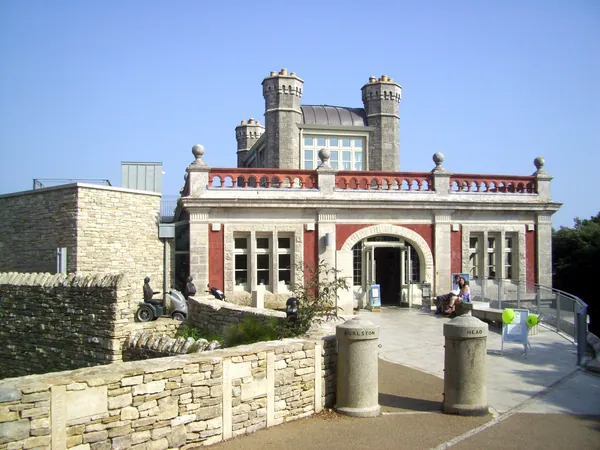
320-acre country park and nature reserve on the edge of Swanage, home to Durlston Castle and the Great Globe.
Learn more about Durlston Country Park & Castle on Google Maps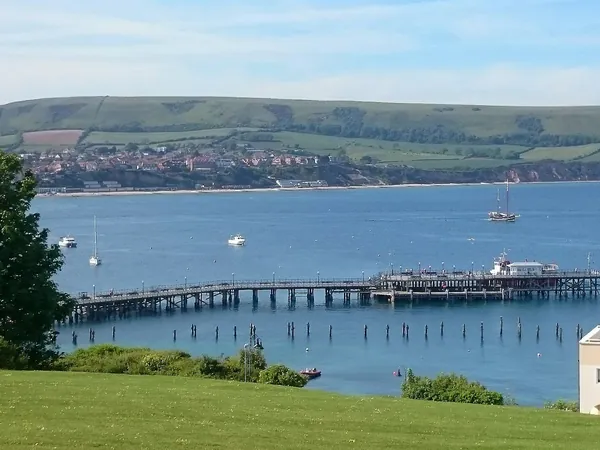
Victorian pier built in 1895 for passenger steamers at the southern end of Swanage Bay.
Learn more about Swanage Pier on Google MapsMore than a thousand roofing jobs finished, and every review customers have left us is five stars.
Those reviews are on their way onto this page. Until they land, ask us for photos of recent jobs near you in Swanage when we come out to quote - seeing a finished roof on a house like yours tells you more than any star rating.
Swanage prices come down to three things. Travel is one: it is the furthest town we cover, so we group work and quote fixed prices rather than charging by the hour. Access is another, because scaffold standing on the pavement takes more planning and protection. The biggest is material. A slate or tile repair sits comfortably within our usual £150 to £1,500 range, while Purbeck stone slates cost more to buy and take longer to lay.
Dorset Council is the planning authority. Swanage has two conservation areas: Swanage Conservation Area, designated in 1970, and Herston, designated in 1989. The Swanage Conservation Area also has an Article 4 direction, and the town sits inside the Dorset National Landscape. Like-for-like repairs usually need nothing, but if you are thinking of changing the roof material, check with Dorset Council before any work starts. We will help you work out what to ask.
No, but it is the far end of our area, roughly 50 to 55 minutes each way. We are open about that. It means we plan Swanage work into set days and bring everything for the job, which tends to suit customers better than a firm squeezing you in between other calls.
Yes. Stone slates are heavy and laid in diminishing courses, so they take more care than ordinary slate. We check the timbers, reuse sound slates where we can and match the rest with new Purbeck stone tiles, which are still made at Langton Matravers.
We don't. We work on slate, tile, stone and flat roofs, plus the chimneys, lead and gutters that go with them. If your Swanage roof is thatched, a specialist thatcher is the right person to call.
Tell us what you have noticed - a damp patch, a missing slate, a stone tile in the garden - and we will fit a free survey into our next Swanage day.