
Lead Work In Weymouth
Could your leak be coming through the lead?
Lead flashings, valleys, soakers, back gutters, bay roofs and dormers in rolled lead sheet
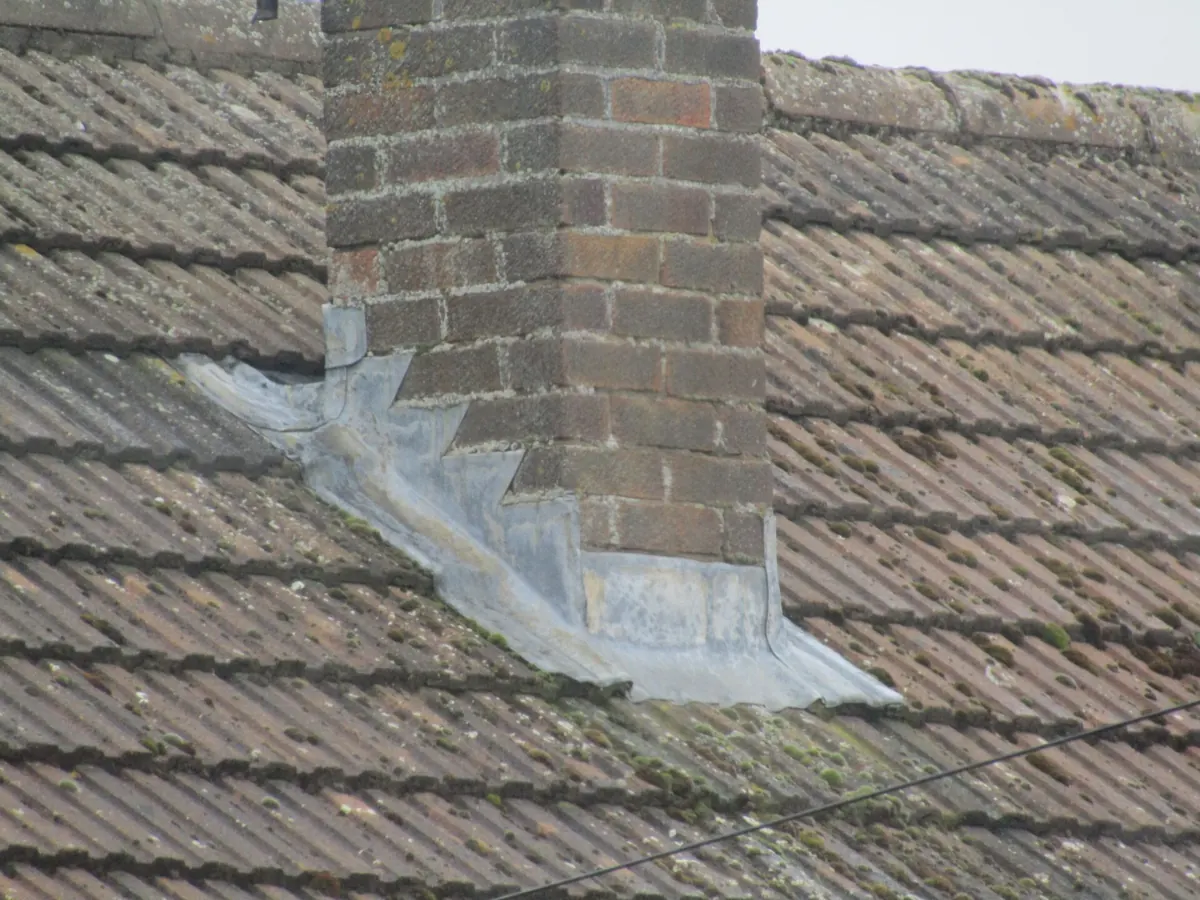
Wherever a roof meets something else, whether a wall, a chimney, a window or another slope, there's a joint, and the traditional way to keep water out of that joint is lead. Done well, it lasts as long as the roof around it, often longer. Done badly, with the wrong thickness, poor fixings or no room to expand, it splits, lifts and lets water straight in. We cut, shape and fit leadwork across Weymouth, from a single flashing to the whole roof of a Victorian bay.
Get A Free Lead Work Quote
Tell us a little about the roof and we will call you back.
Leadwork that lasts as long as the roof
Lead is forgiving when it's fitted to the rules and unforgiving when it isn't. These are the rules we work to.
01
The right code for the job
Lead sheet comes in thicknesses called codes. Flashings, soakers, valleys and flat roofs each need a minimum code. Thinner lead is cheaper and fails sooner, so we never go below what the job calls for.
02
Pieces kept to a safe length
Lead expands and contracts with temperature. Lengths that are too long tear themselves apart over a few summers. We cut and lap pieces to the recommended maximum sizes.
03
Properly wedged and pointed
Flashings are tucked into the mortar joint, held with lead wedges and pointed in. They're not stuck on with mastic, which dries out and peels away within a few years.
04
Shaped, not just folded
Lead can be bossed into complex shapes with no joints at all, which is why it's still used on bays, dormers and around chimneys. Fewer joints means fewer places for water to get in.
05
Patination oil applied
New lead is treated with patination oil to stop white staining running down the brickwork or slates below while it weathers to its natural grey.
06
Theft-aware fixing
Lead has scrap value. On vulnerable roofs we use secure fixing methods and can suggest alternatives, such as approved lead-substitute materials, where theft is a real risk.
1,000+
Roofing projects completed
5★
Every review we have is five stars
10 yrs
Guarantee on roof replacements
Free
Roof surveys and written quotes
Bays, balconies and seafront detail
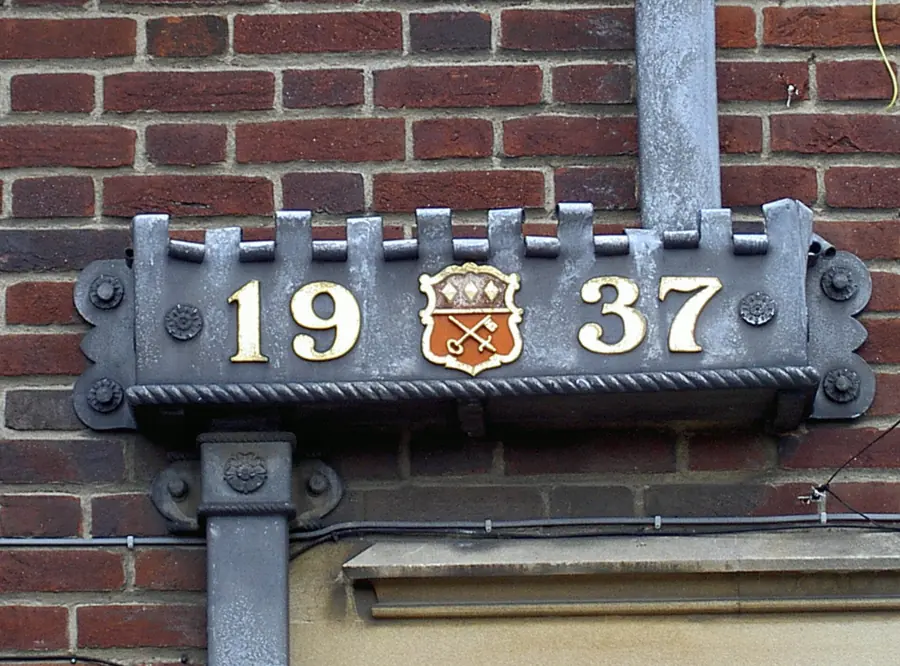
Weymouth's Georgian and Victorian buildings are full of the kind of detail that only lead can weather properly. Bow and bay windows facing the sea, small roofs over front doors, balconies with lead-lined floors and the parapet gutters behind decorative fronts were all designed around lead, and most of them still rely on it.
On an exposed elevation those details take a beating from wind-driven rain. A split in a bay roof or a lifted flashing can let in water that runs behind plaster and shows up a room away. We repair or renew that lead in the traditional way so it suits the building and lasts.
"In our experience on Weymouth roofs, flashings that were sealed with mastic instead of being wedged into the mortar fail first."
How we carry out lead work
- 1
Find where water is getting in
We look at the flashings, valleys and abutments from the roof and check inside for staining, so we're certain the lead is the cause before quoting.
- 2
Specify code and detail
The quote states which code of lead will be used for each part and how it will be fixed, along with access and any slates or tiles that have to come up.
- 3
Safe access
Valleys and chimney flashings need a stable working platform. We use roof ladders, towers or scaffold depending on where the work sits.
- 4
Remove old lead and prepare
Failed lead, mastic and old mortar fillets come out. Mortar joints are raked out for new flashings and timber bases or valley boards are checked and renewed.
- 5
Cut, shape and fit
New lead is cut to safe lengths, dressed to the shape of the roof and fixed with clips, copper nails and lead wedges. Laps and drips are set so water runs away from every joint.
- 6
Point in and treat
Flashings are pointed into the brickwork, and all new lead is coated with patination oil to prevent staining.
- 7
Slates or tiles refixed
Any slates or tiles lifted to reach the lead are refixed, the area is cleaned up and you get photos of the finished work.
Ten years on a new roof, written down and signed
When we replace a roof in Weymouth, the paperwork you're handed at the end will, on all but a handful of unusual jobs, include a 10 year guarantee on the work. If yours is one of the exceptions, you'll know at quote stage, not after. It names your address, says what was done and is dated the day we sign the roof off. It covers the installation itself, meaning the battens, membrane, fixings, the slates or tiles and the junctions where the roof meets walls and chimneys. If any of that lets water in through a fault in how it went on, we come back and fix it without charging you.
A guarantee that long only makes sense if the roof is built properly underneath, so it shapes the job from day one. Every slate or tile is mechanically fixed to the current British Standard rather than relying on its own weight, which matters on a stretch of coast where the wind arrives with nothing in its way. Breathable membrane goes on before the battens. Valleys, abutments and chimneys get proper lead or a tested dry-fix system, never a smear of mortar that cracks in its third winter.
Materials carry their own manufacturer cover on top, and that differs from product to product. Your paperwork says which one applies to your roof.
10
Year guarantee on roof replacements
1,000+
Roofing projects completed
What to look for in a lead work roofer
They can tell you the code
Ask what code of lead will be used. Code 4 is common for flashings and soakers, while valleys, gutters and flat lead roofs need heavier code. If the answer is vague, so is the specification.
They don't rely on sealant
Mastic and silicone have their uses, but they're not a substitute for lead that's wedged into a mortar joint or dressed under slates. A roofer reaching for a tube to fix a flashing is offering a temporary repair.
They allow for movement
Good leadwork is fixed so it can move a little as it heats and cools. Ask how long each piece will be and how they're joined. Overlong pieces nailed down tight are the classic cause of splitting.
Lead or alternatives for flashings and valleys
Lead isn't the only option for weathering roof junctions. Here's how it compares with the main alternatives.
| Comparison point | Rolled lead sheet | Lead-substitute flashing | GRP or dry valley |
|---|---|---|---|
| Expected lifespan | 60 years or more when fitted correctly | 25 to 30 years | 25 years or more |
| Shaping ability | Excellent, can be bossed into complex shapes | Good for straight flashings | Pre-formed shapes only |
| Scrap value / theft risk | High | None | None |
| Appearance | Traditional grey patina | Similar look from a distance | Visible as a moulded unit |
| Relative cost | Higher | Lower | Lower |
| Best for | Period houses, bays, chimneys, listed buildings | Theft-prone or simple abutments | Valleys on modern tiled roofs |
Valleys, the hardest-working part of a roof
A valley is where two slopes meet in a channel, and it carries the rain from both. On many older Weymouth roofs the valleys are lined with lead that has been in place for decades, and splits or slipped sections are a common source of leaks over landings and stairwells.
We re-line valleys in heavier code lead on a new valley board, or fit a modern dry valley on tiled roofs where that's the better choice.
Chimney repairs and flashings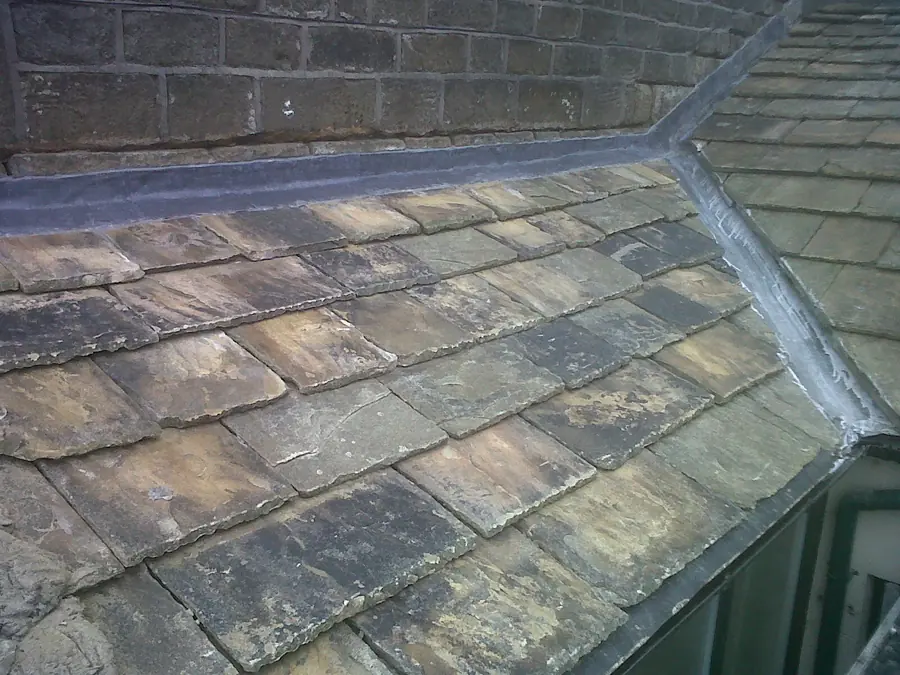
Lead work costs in Weymouth
A single re-dressed flashing is a modest job. Renewing all the lead around a chimney, re-lining a valley or recovering a bay roof costs more, mostly because of access and the slates or tiles that need lifting. The quote always shows the code and quantity of lead.
Lead work questions
How long does lead flashing last?
Properly fitted lead regularly lasts 60 years or more. Most failures we see come from lead that was too thin, pieces that were too long, or flashings stuck on with mastic instead of being wedged into the mortar joint.
What code lead do I need?
Code 4 is the usual minimum for flashings and soakers, code 5 is common for valleys and back gutters, and flat lead roofs and gutters often need code 6 or heavier. The Lead Sheet Training Academy publishes guidance we follow.
Why is there white staining under my new lead?
New lead can produce a white carbonate that washes down onto the surface below. Treating it with patination oil when it's fitted prevents this. If it's already happened, it usually weathers away.
Is there an alternative to lead?
Yes. Lead-substitute flashing materials have no scrap value and work well on simple abutments. For valleys on modern tiled roofs, dry valley systems are an option. On period houses and listed buildings, lead is normally the right choice.
My bay window roof leaks. Can it be repaired?
Often a split or a failed joint can be repaired. If the lead has thinned or the timber beneath has rotted, re-covering the bay in new lead, or in GRP on a modern house, is the more lasting fix.
Can lead be stolen from my roof?
Lead theft does happen, particularly on low or easily reached roofs. We fix lead securely and can suggest substitute materials where theft is a concern.
Related: Chimney repairs · Roof repairs · Flat roofing
What customers around Weymouth say
More than a thousand roofing jobs finished, and every review customers have left us is five stars.
Those reviews are on their way onto this page. Until they land, ask us for photos of recent jobs near you in Weymouth when we come out to quote - seeing a finished roof on a house like yours tells you more than any star rating.
Lead work across Weymouth and surrounding towns
Have the lead on your roof checked
We'll find whether the lead is letting water in and give you a written price for putting it right properly.