
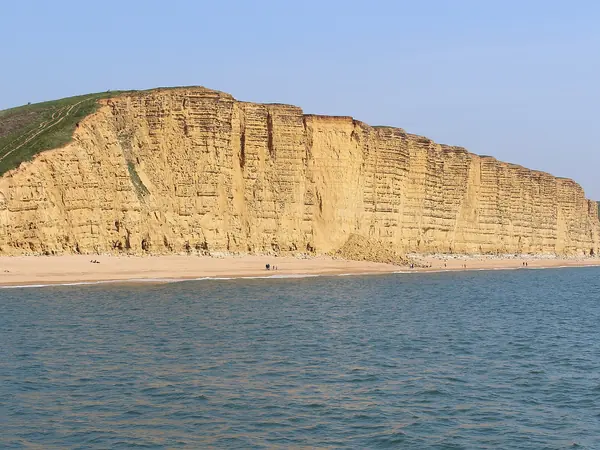
West Bay & East Cliff
Bridport's harbour 1.5 miles south of town, overlooked by the golden sandstone East Cliff on the Jurassic Coast.
Learn more about West Bay & East Cliff on Google MapsWe're Weymouth roofers, and Bridport is about 35-40 minutes west of us by road. The town grew rich on rope and nets, and you can still read that history in its roofs: hipped slate on the 19th-century houses along East, West and South Street, plain clay tile and slate out in Bradpole, brick and concrete tile on the newer estates. Each of those fails in its own way. Slates slip when the nails rust through, clay tiles crack and shed, and older concrete tiles were often laid without the clips today's standards call for. We survey for free, tell you plainly what we found and put a fixed price in writing.
Tell us a little about the roof and we will call you back.
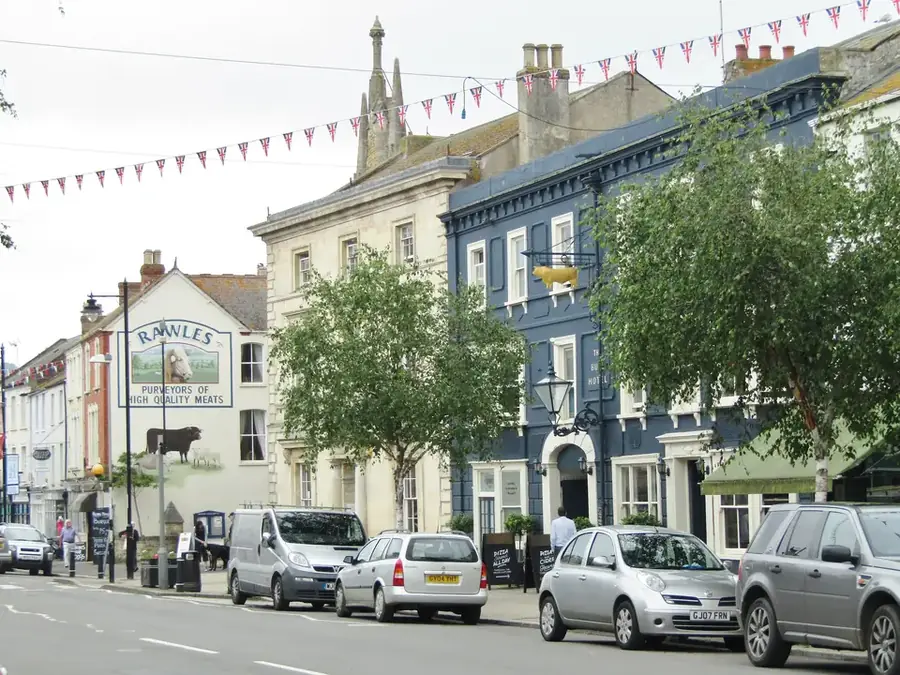
Bridport has made rope and netting since the Middle Ages, and the trade still carries on in the town today. The broad main streets are said to be that width because rope was laid out to dry along them after being spun in the long gardens behind the houses. Walk up from Bucky Doo Square and the scale of the place is obvious: wide pavements, tall frontages, and a remarkable amount of old fabric. There are more than 500 listed buildings and seven conservation areas across the neighbourhood plan area.
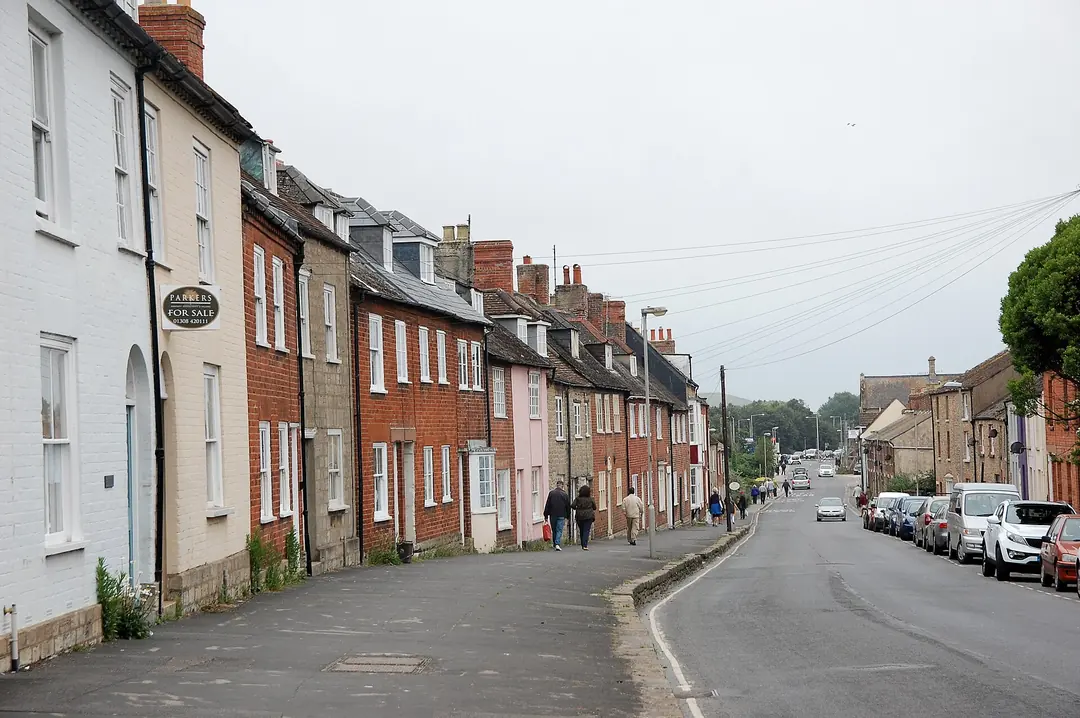
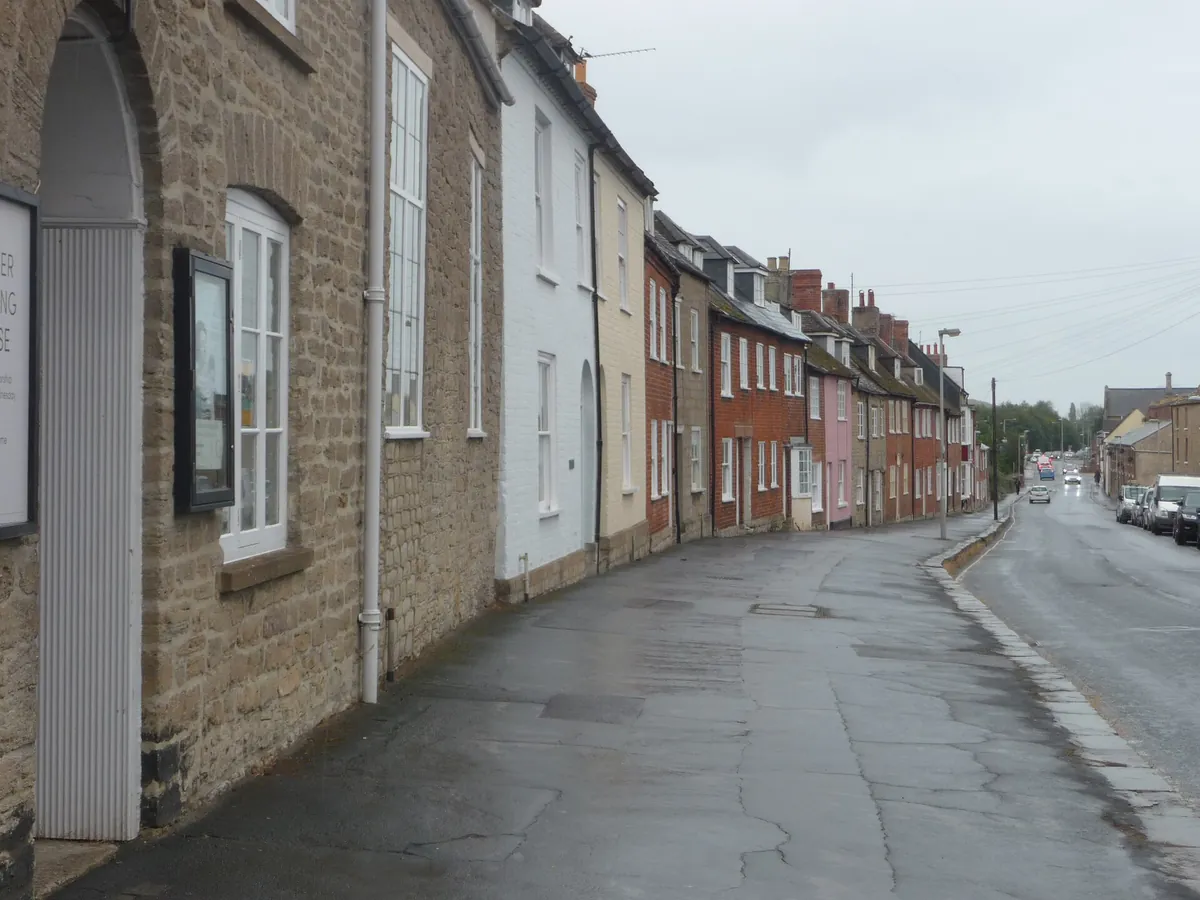
For a roofer, that history translates into a lot of hipped slate. Hips are where an old slate roof tends to give up first, because each slate along the hip is cut and the joint relies on lead or a good ridge to keep water out. Bradpole mixes slate with plain clay tile, Bothenhampton still has thatched farmhouses (thatch is a specialist trade, and not one we take on), and the estates around Allington and Skilling are mostly brick under concrete tile. Down at West Bay, the old harbour two miles south, everything takes the weather harder.
1,000+
Roofing projects completed
5★
Every review we have is five stars
10 yrs
Guarantee on roof replacements
Free
Roof surveys and written quotes
Slipped slates on a South Street hip, a cracked clay tile in Bradpole, a ridge loosened by wind at West Bay. We find the actual cause before touching anything.
Learn more about roof repairs in Bridport →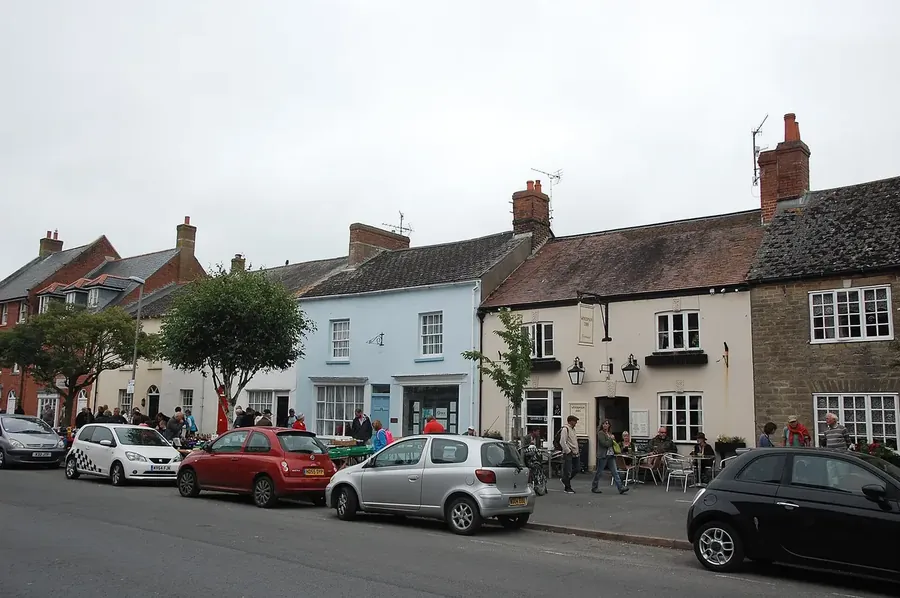
When a 19th-century slate roof has run out of nails, we strip it, felt and batten it afresh and re-slate it in a way the conservation officer will recognise.
Learn more about roof replacement in Bridport →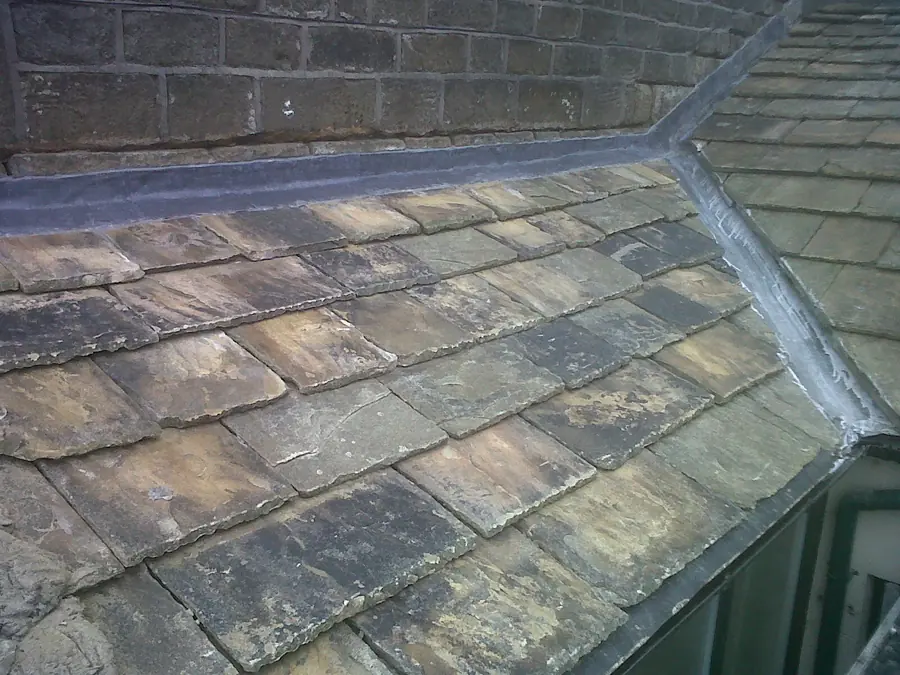
Bridport's hipped and valleyed slate roofs depend on lead at the hips, valleys, chimneys and parapets. We dress new lead to the right code and fix tired, split flashings.
Learn more about lead work in Bridport →Most of the trouble we're called to here comes from the age of the buildings and the exposure near the coast. These are the gains from getting it right.
So many of the town's Victorian-era houses have hipped slate roofs that hip failure is the repair we do most. Cut slates, sound lead soakers and a mechanically fixed hip line keep water out of the corners where it likes to find its way in.
With seven conservation areas and over 500 listed buildings nearby, the wrong slate or a plastic ridge can draw attention. We match what is already on the roof, and we tell you early if a job is likely to need consent.
The town centre sits on Eype Clay, which swells and shrinks with the seasons. Slight movement over decades can open up ridge joints and crack mortar at the verges. Dry-fixed ridges and verges flex with the building rather than snapping.
Houses round the harbour catch spray and wind that the town centre, two miles inland, mostly escapes. Fixings rust faster there, so we use stainless or copper nails and clips and check them rather than assuming they've lasted.
Plenty of homes on the post-war estates still have concrete interlocking tiles that were simply hung on battens. BS 5534 now expects single-lap tiles to be mechanically fixed, and adding clips when we work on them stops tiles lifting in a gale.
A stain on a Foundry Lane bedroom ceiling might start at a chimney flashing several feet away. We trace water back along the rafters and battens before quoting, so you pay to fix the fault rather than the symptom.
"On the older streets of Bridport, the leak nearly always turns out to be at a hip or a valley rather than in the open slope of the roof."
When we replace a roof in Bridport, the paperwork you're handed at the end will, on all but a handful of unusual jobs, include a 10 year guarantee on the work. If yours is one of the exceptions, you'll know at quote stage, not after. It names your address, says what was done and is dated the day we sign the roof off. It covers the installation itself, meaning the battens, membrane, fixings, the slates or tiles and the junctions where the roof meets walls and chimneys. If any of that lets water in through a fault in how it went on, we come back and fix it without charging you.
A guarantee that long only makes sense if the roof is built properly underneath, so it shapes the job from day one. Every slate or tile is mechanically fixed to the current British Standard rather than relying on its own weight, which matters on a stretch of coast where the wind arrives with nothing in its way. Breathable membrane goes on before the battens. Valleys, abutments and chimneys get proper lead or a tested dry-fix system, never a smear of mortar that cracks in its third winter.
Materials carry their own manufacturer cover on top, and that differs from product to product. Your paperwork says which one applies to your roof.
10
Year guarantee on roof replacements
1,000+
Roofing projects completed
A free visit at a time that suits you. We check the slopes, hips, lead and chimneys from the ground and the loft, and take photos you can keep.
The written quote lists the work line by line: slates or tiles to be replaced, lead to be renewed, scaffold, and waste. It stays fixed unless we find something hidden and agree it with you first.
The wide main streets make room for scaffold, but it still stands on a busy public pavement, so we keep a safe route open for shoppers. Long back gardens sometimes give us a quieter route in.
Once the slates or tiles are off we look at the battens, felt and timbers. Old Bridport roofs sometimes hide earlier patching, and we'd rather show you that than cover it up.
Every slate is nailed, single-lap tiles are clipped, and hips and ridges are mechanically fixed instead of relying on mortar. Salvaged slates go back on where they're sound, matched for size and colour.
We go over every course, lead joint and gutter outlet while we still have safe access. Anything that isn't right gets put right then, not after the tower has come down.
Old slate, felt and timber leave with us. We sweep the garden and the street frontage, run through what we did with photographs, and leave you with the paperwork.
Bridport's harbour 1.5 miles south of town, overlooked by the golden sandstone East Cliff on the Jurassic Coast.
Learn more about West Bay & East Cliff on Google Maps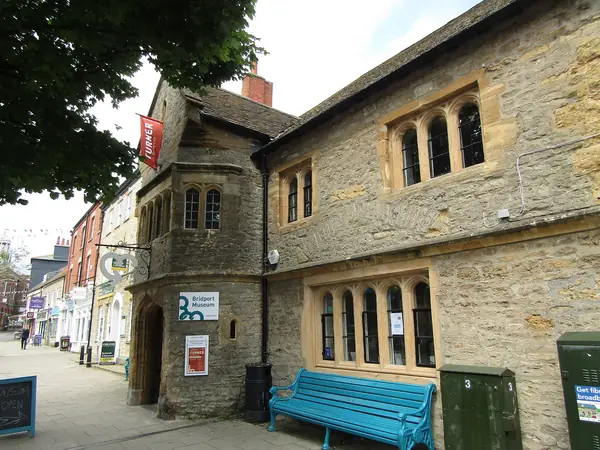
Town museum on South Street housed in 'the Castle', a Grade II* listed early 16th-century building.
Learn more about Bridport Museum on Google Maps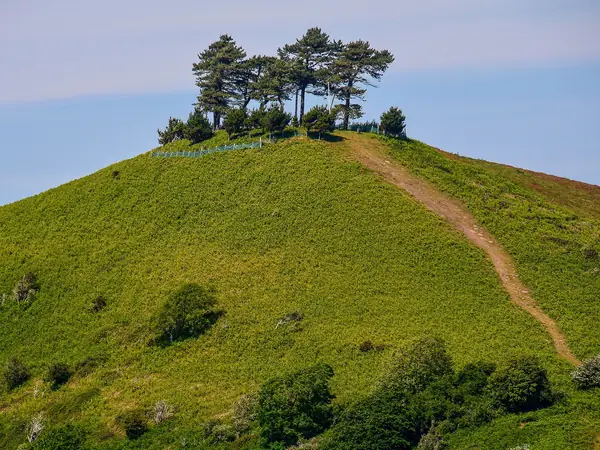
Near-conical sandstone hill above Symondsbury, 1.5 miles west of Bridport, crowned by pines first planted after the First World War.
Learn more about Colmer's Hill on Google MapsMore than a thousand roofing jobs finished, and every review customers have left us is five stars.
Those reviews are on their way onto this page. Until they land, ask us for photos of recent jobs near you in Bridport when we come out to quote - seeing a finished roof on a house like yours tells you more than any star rating.
Most Bridport repairs fall somewhere between £150 and £1,500, and full re-roofs normally run from £7,000 to £20,000 or more. Three things move the figure here. Scaffold on a main-street frontage needs extra protection for passers-by. Natural slate on a hipped roof takes more cutting and lead than a simple gable. And a listed building or conservation-area house may call for reclaimed or specified materials that cost more than standard stock.
Dorset Council is the planning authority. Re-roofing like for like in matching materials usually doesn't need permission, but the rules are tighter here than in most towns. The whole Bridport area sits within the Dorset National Landscape, and there are seven conservation areas: Bridport itself, West Bay, Bothenhampton, Bradpole, Walditch, Symondsbury and Eype. If your house is one of the 500-plus listed buildings, listed building consent is needed for work that affects its character, and that can include swapping slate for anything else. We haven't come across an Article 4 direction covering roofs in Bridport, but we'll check your address before we quote.
Yes. West Bay is only a couple of miles south of the town, and it's part of the same trip for us. Roofs by the harbour take more wind and salt than those in the centre, so we tend to recommend stainless fixings and closer attention to ridges and verges.
No - thatching is its own craft and we don't do it. We can help where a thatched house has a slate or tile section, a lead flashing or a chimney that needs work, and we're happy to say so on the phone before anyone travels out.
Every slate on a hip has to be cut to an angle, and the joint is then protected by lead soakers or a hip covering. When the old nails corrode or the mortar on the hip tiles breaks up, water gets straight into the corner. It's fixable without a whole new roof if the rest is sound.
Tell us what you've noticed - a damp patch, a slate on the path, a whistling ridge - and we'll arrange a visit, look properly, and put a fixed price in writing.